Marble :
Marble, a metamorphic rock known for its exquisite beauty and diverse applications, has captivated humanity for centuries. From the awe-inspiring sculptures of ancient Greece to modern architectural masterpieces, this natural stone has played a pivotal role in art, construction, and design. In this article, we will delve into the origins of marble, its geological properties, its various applications, and the processes involved in its extraction and finishing.
The Origins of Marble
Marble is formed from limestone that has undergone metamorphosis under high pressure and temperature conditions within the Earth’s crust. This transformation process, known as metamorphism, alters the chemical and physical properties of the original limestone, resulting in the formation of marble. The primary component of marble is calcium carbonate (CaCO₃), which crystallizes during metamorphism to form calcite.
The most renowned marbles in history stem from specific geographical regions. For instance, Carrara marble from Italy is celebrated for its pure, white quality, famously used by Michelangelo for his sculptures, including the iconic David. Other notable varieties include the Pentelic marble from Greece, which contributed to the construction of the Parthenon, and the Makrana marble from India, known for its role in the Taj Mahal’s construction.
Marble deposits are found worldwide, with significant sources in countries like Spain, Turkey, China, and the United States. Each region boasts unique characteristics resulting from the specific environmental conditions during its formation, leading to a plethora of colors and patterns that appeal to various aesthetic preferences.
Geological Properties of Marble
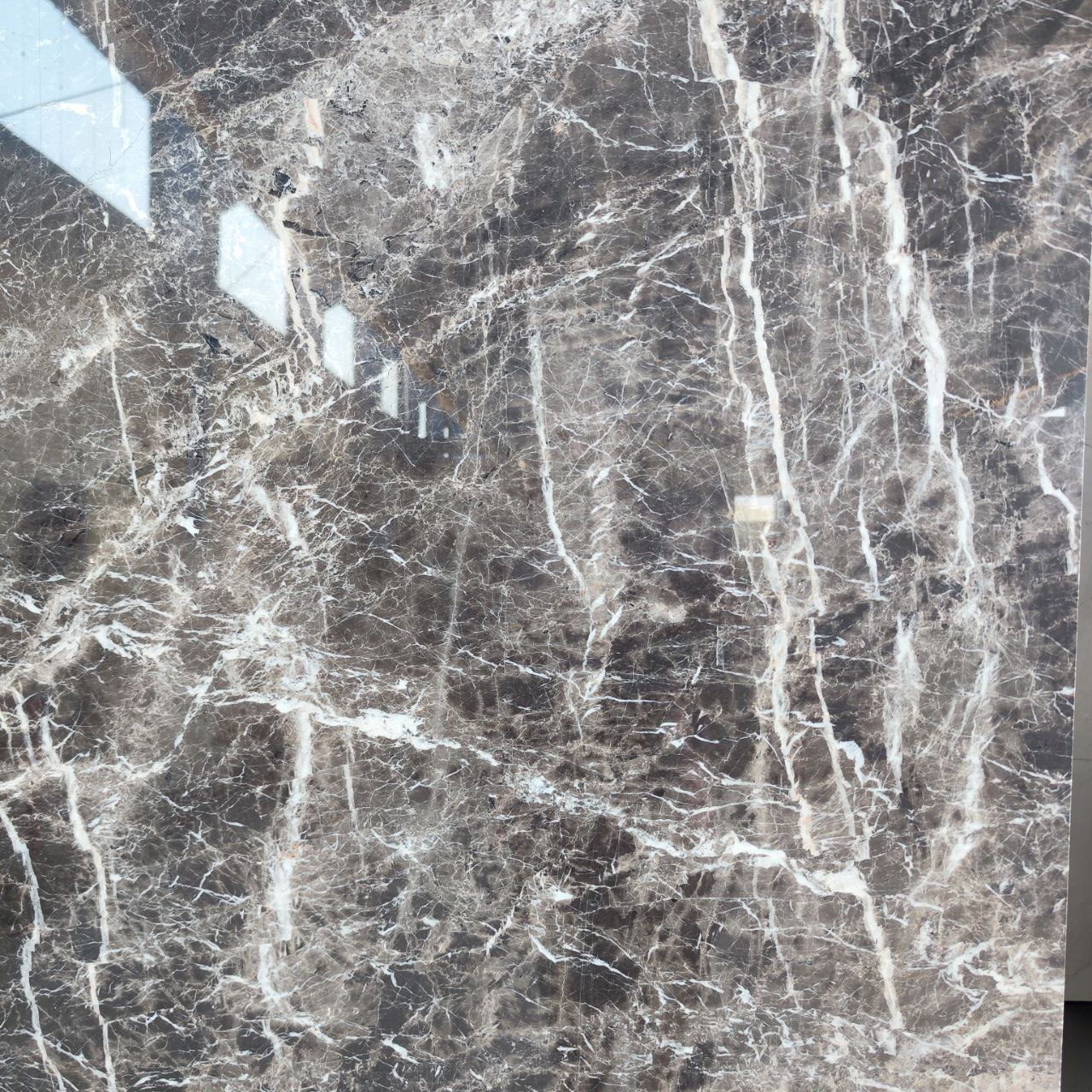
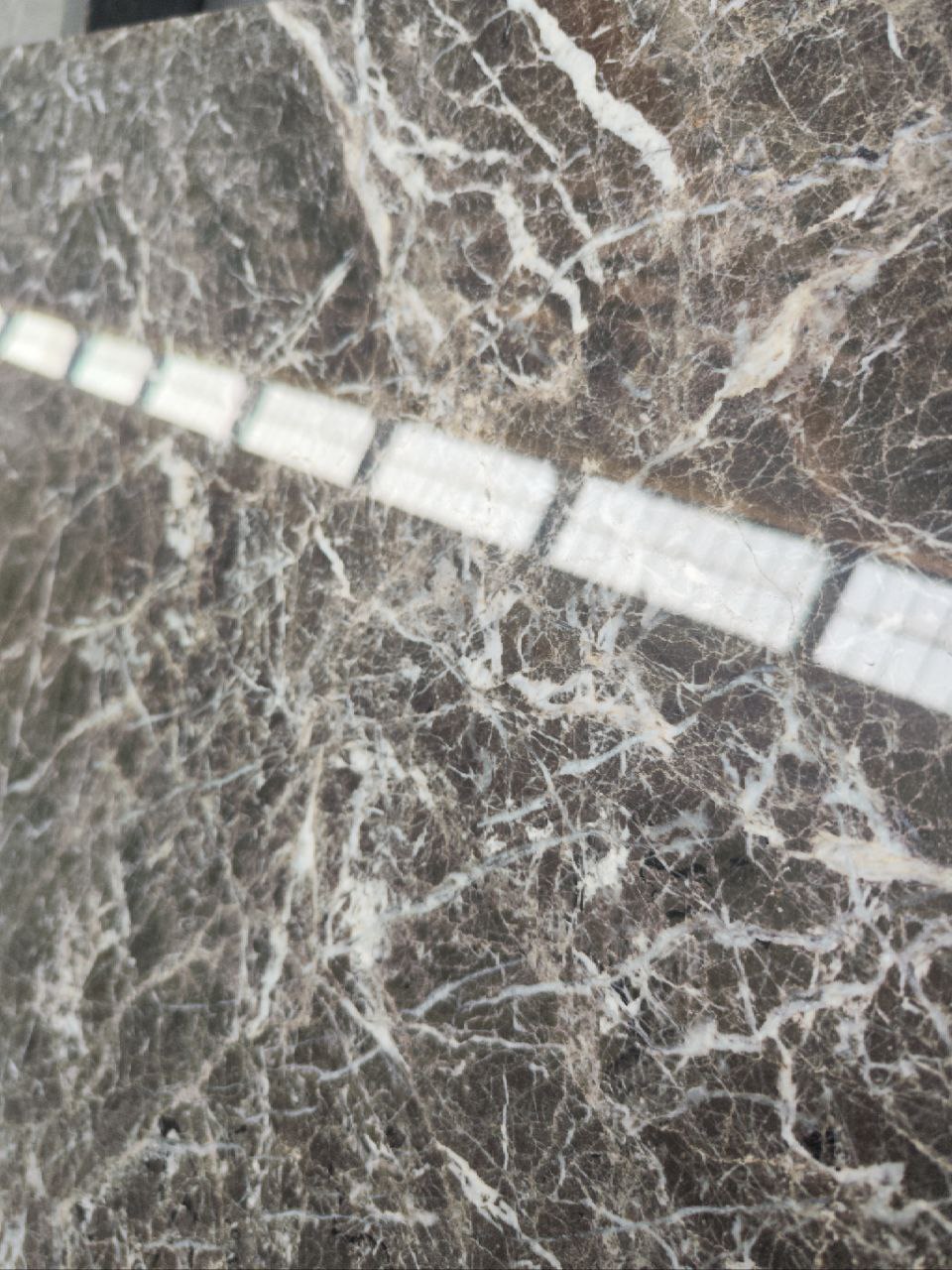
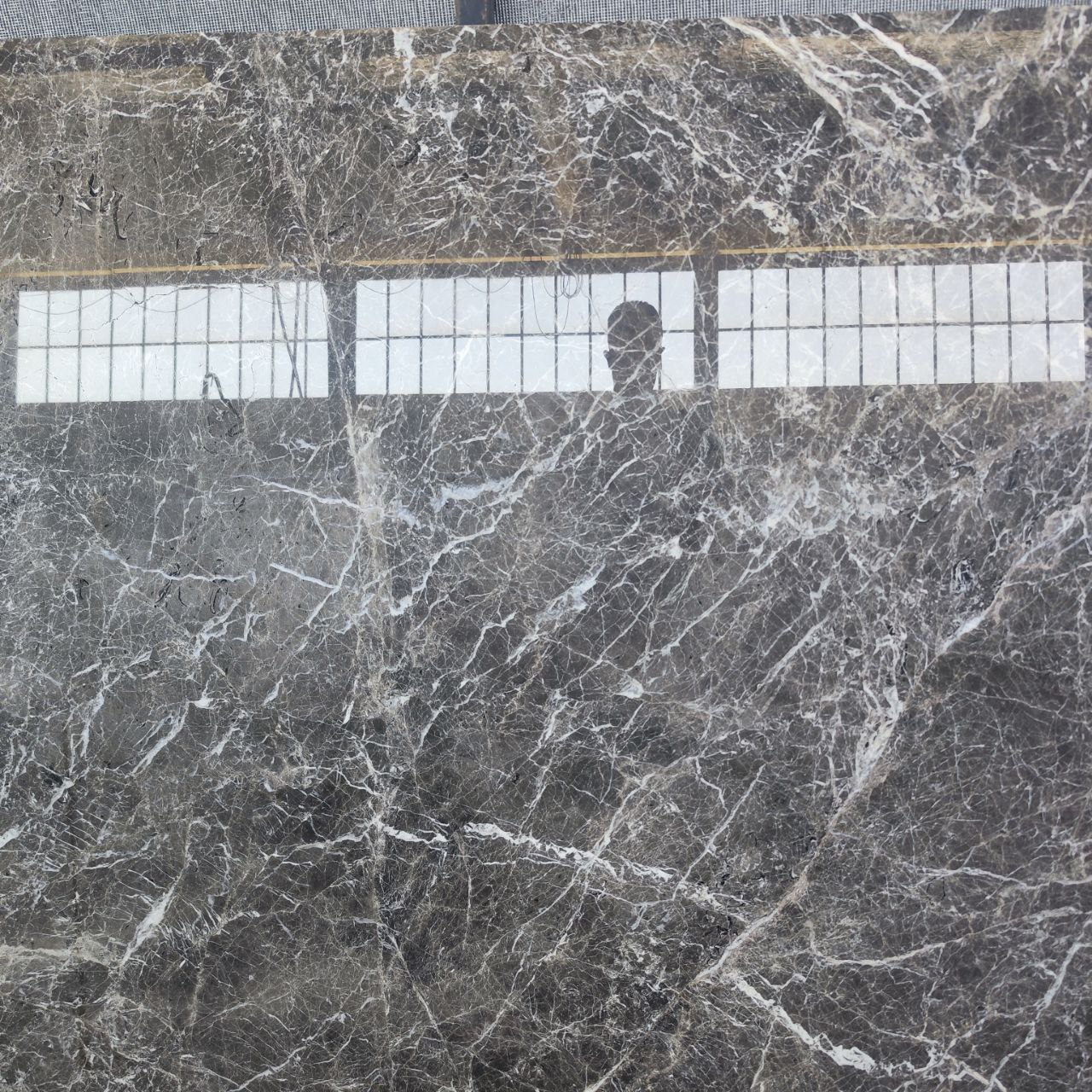
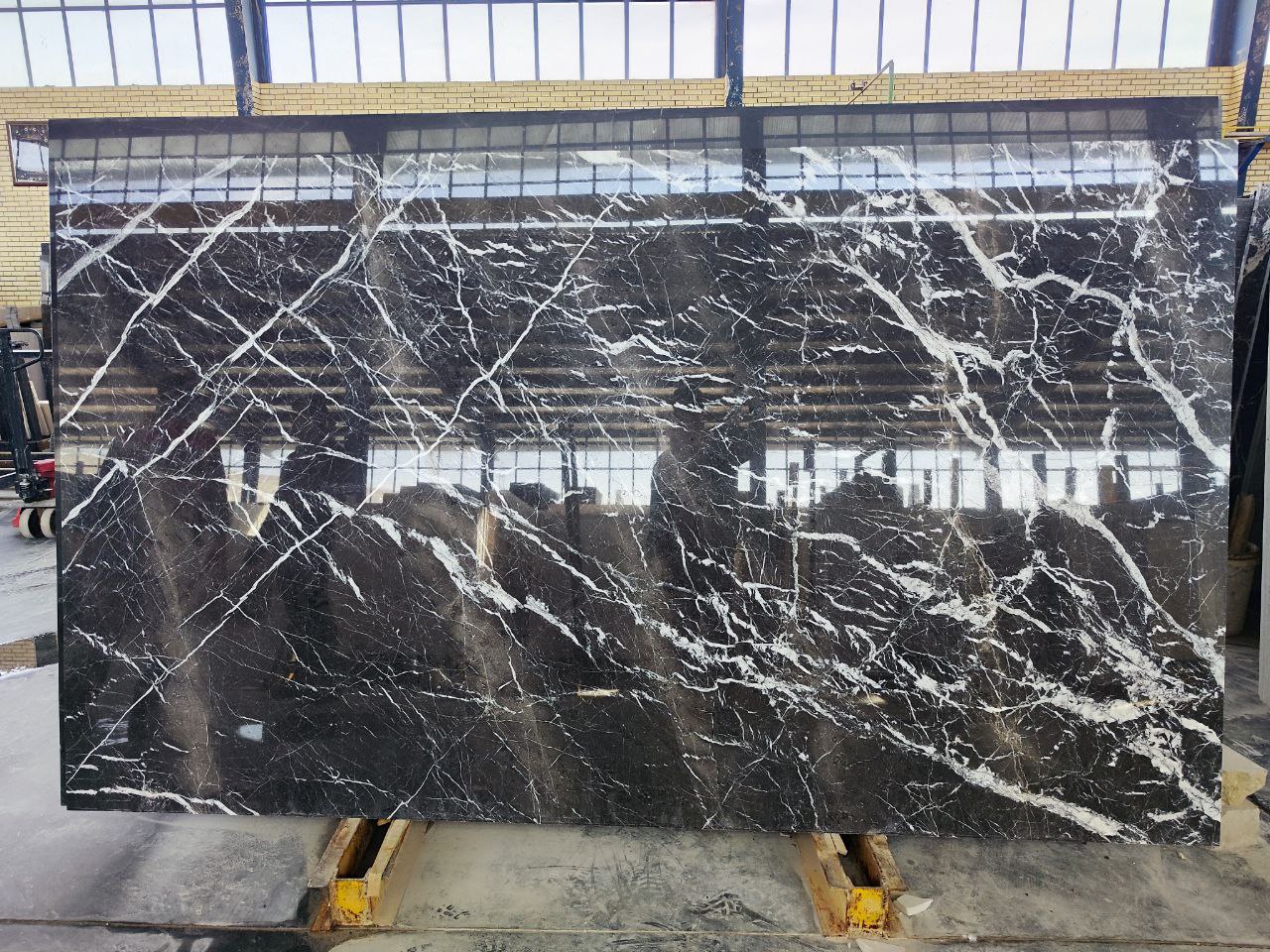
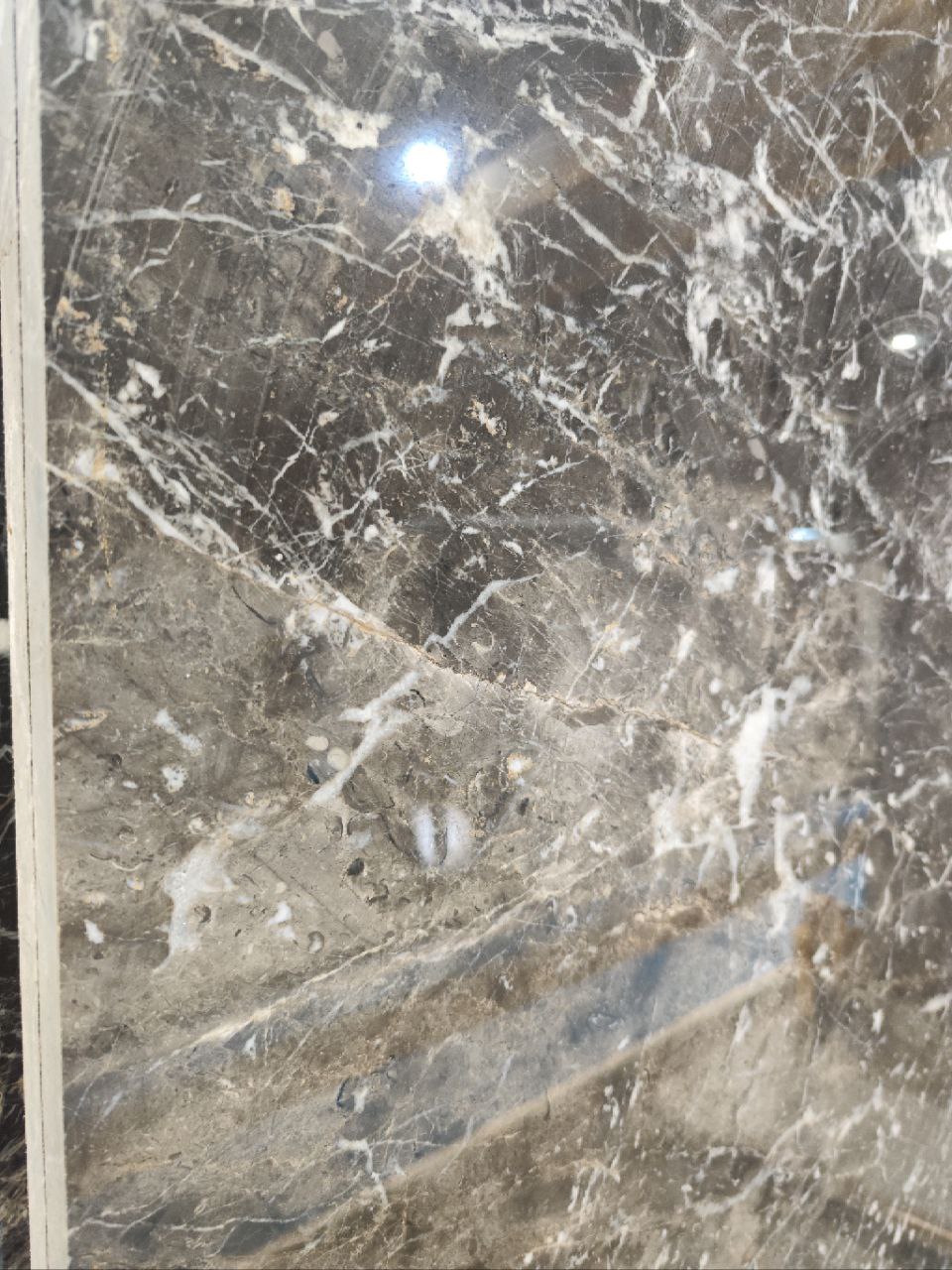
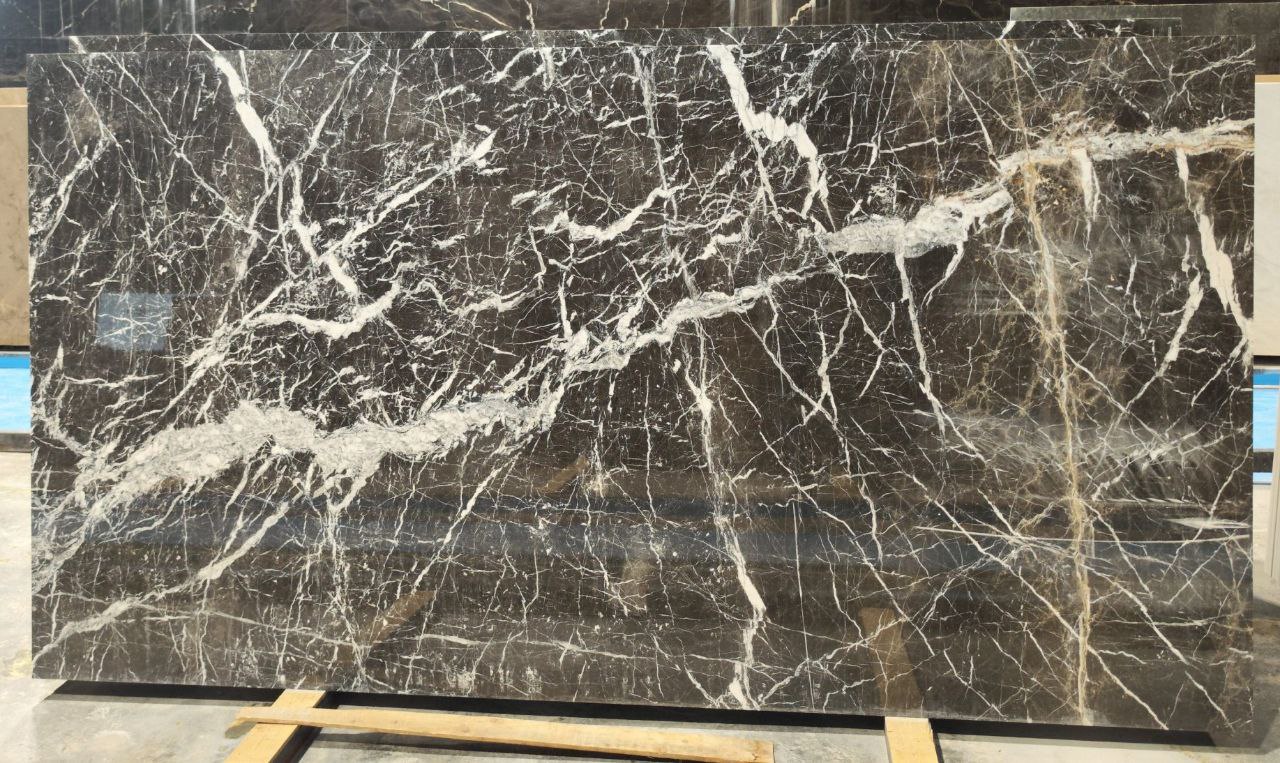
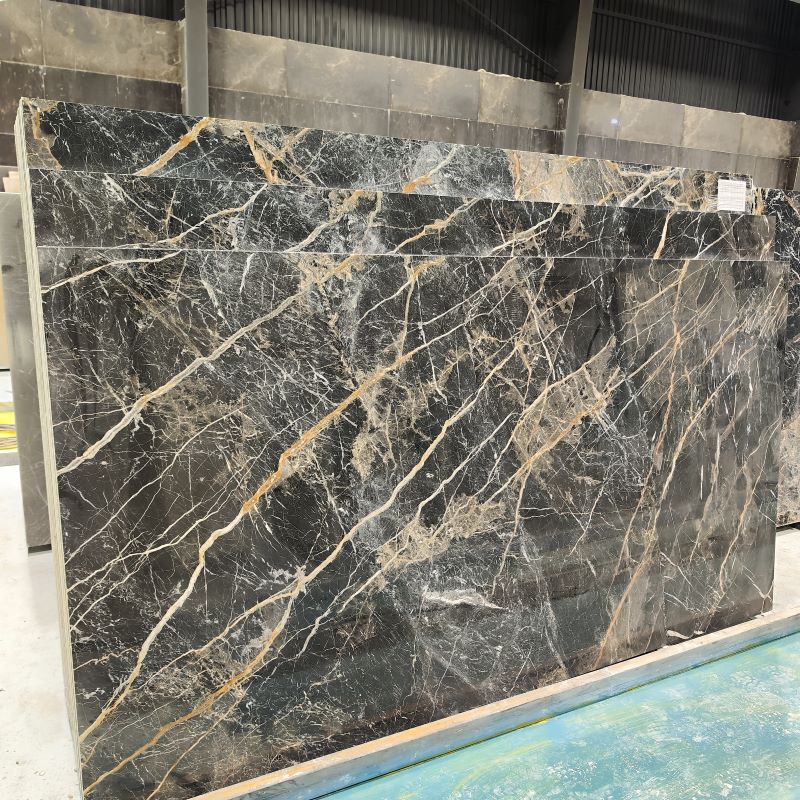
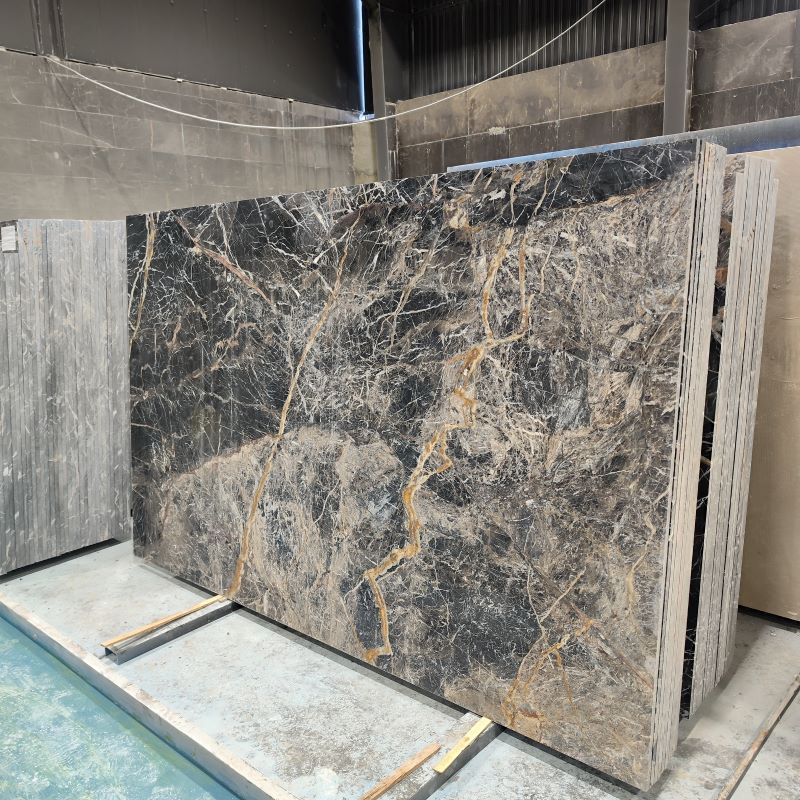
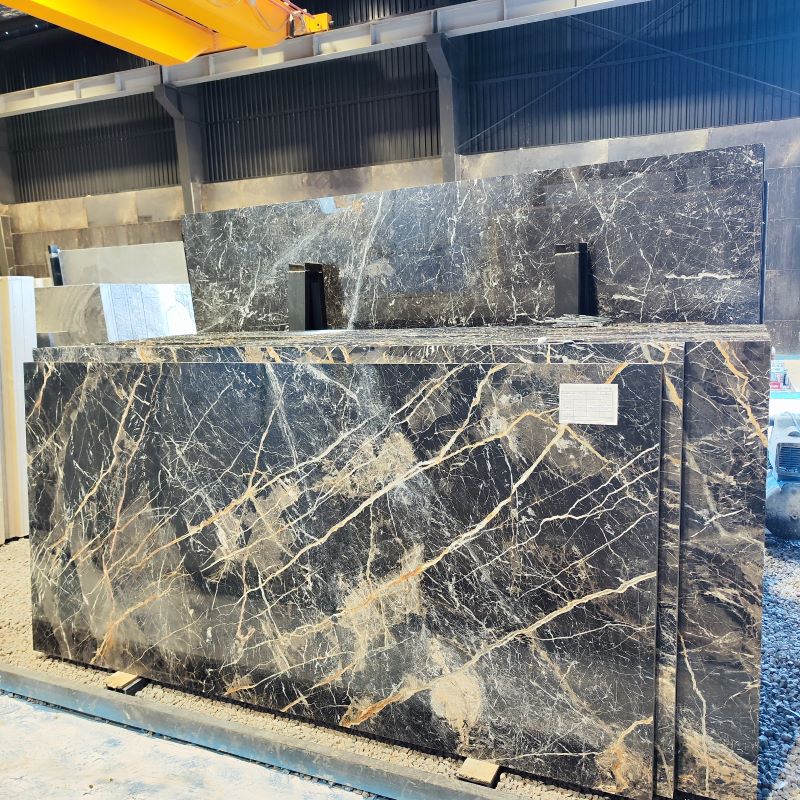
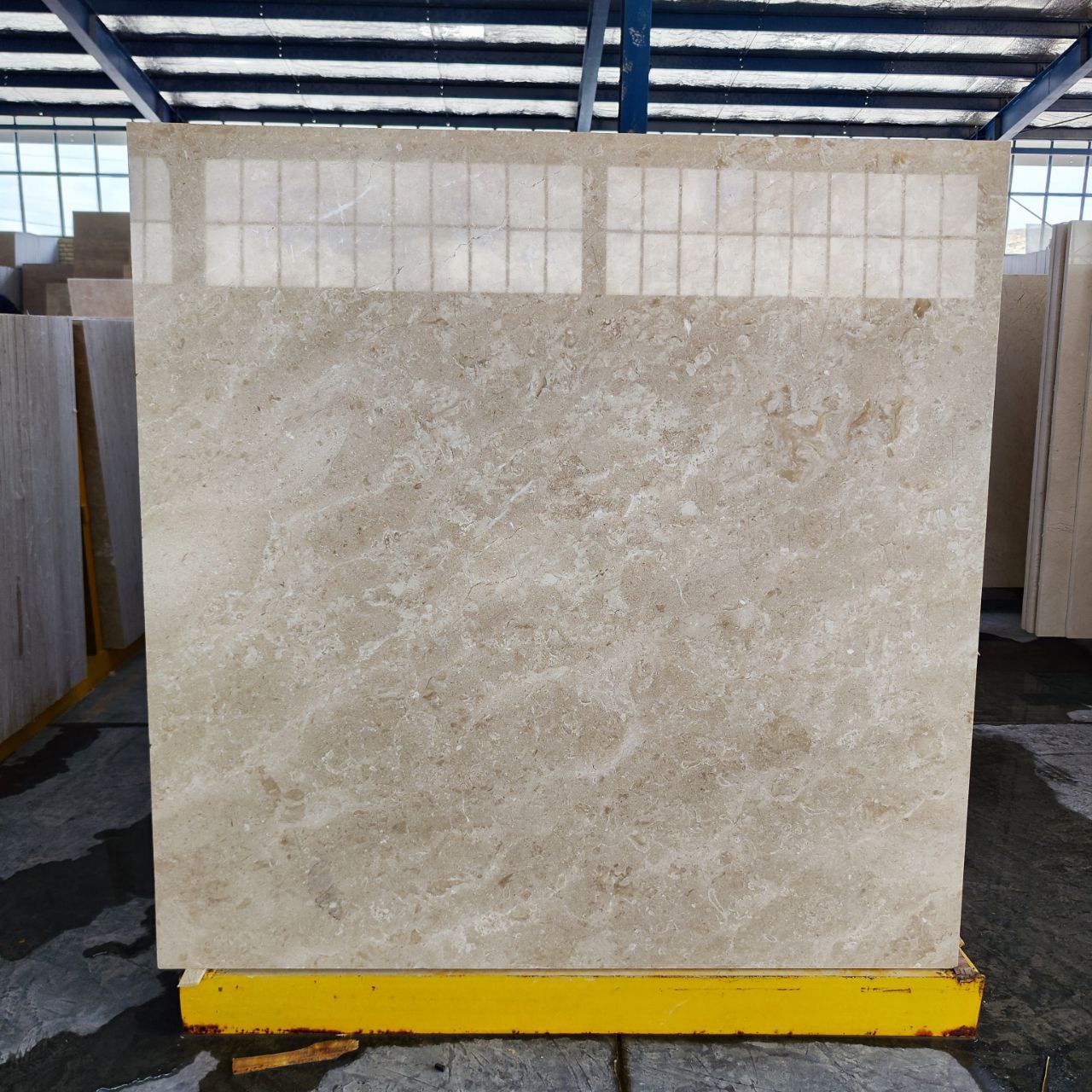
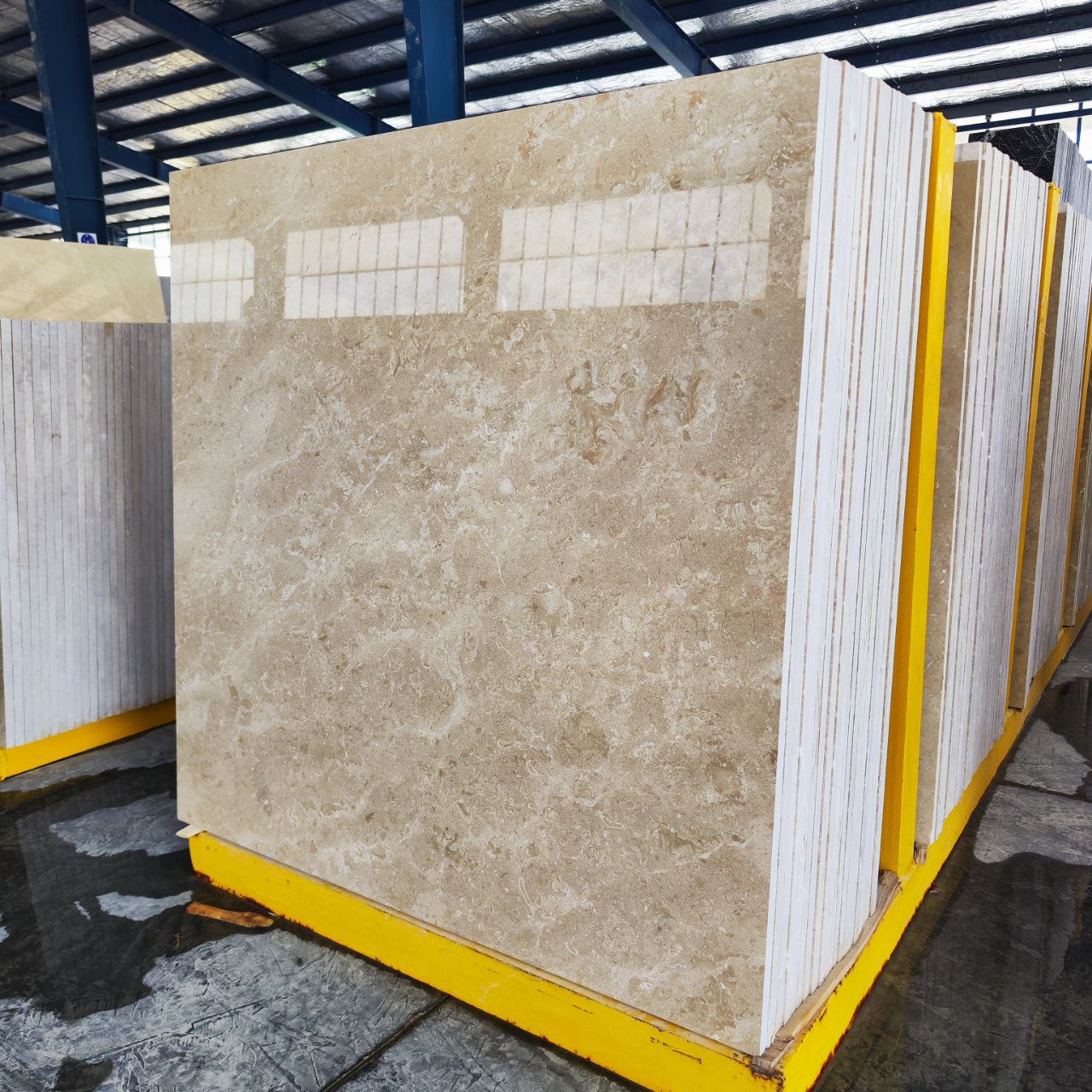
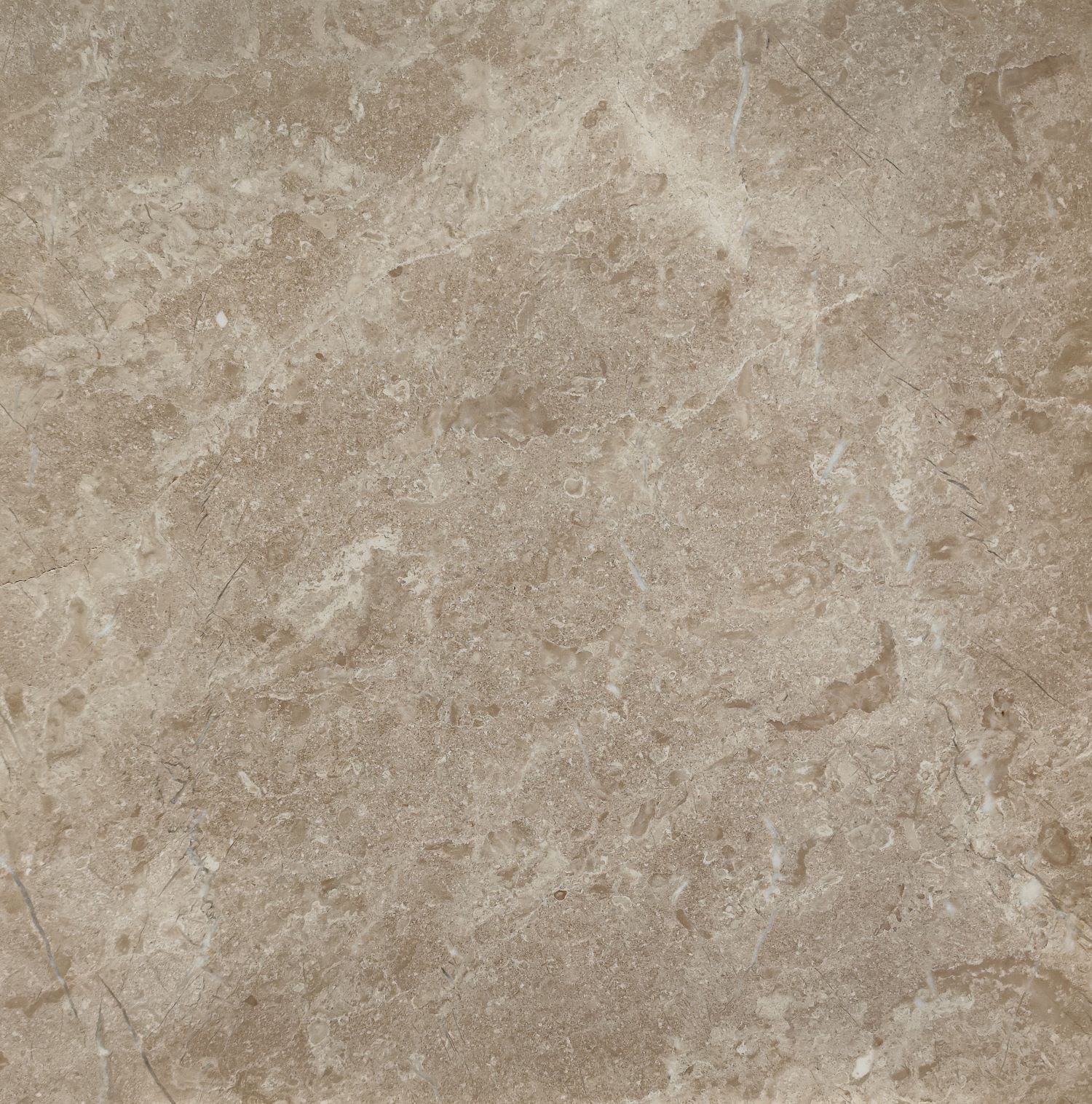
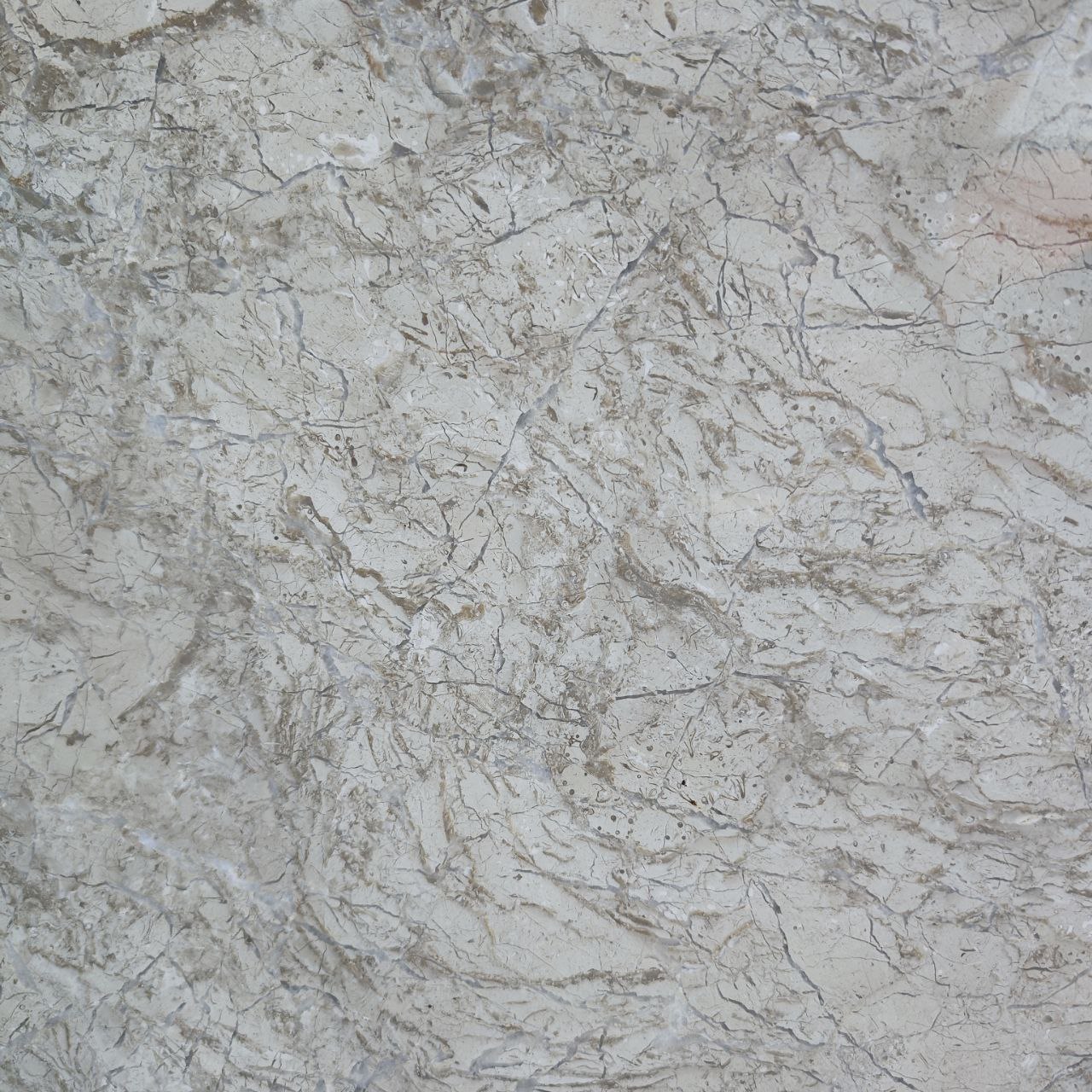
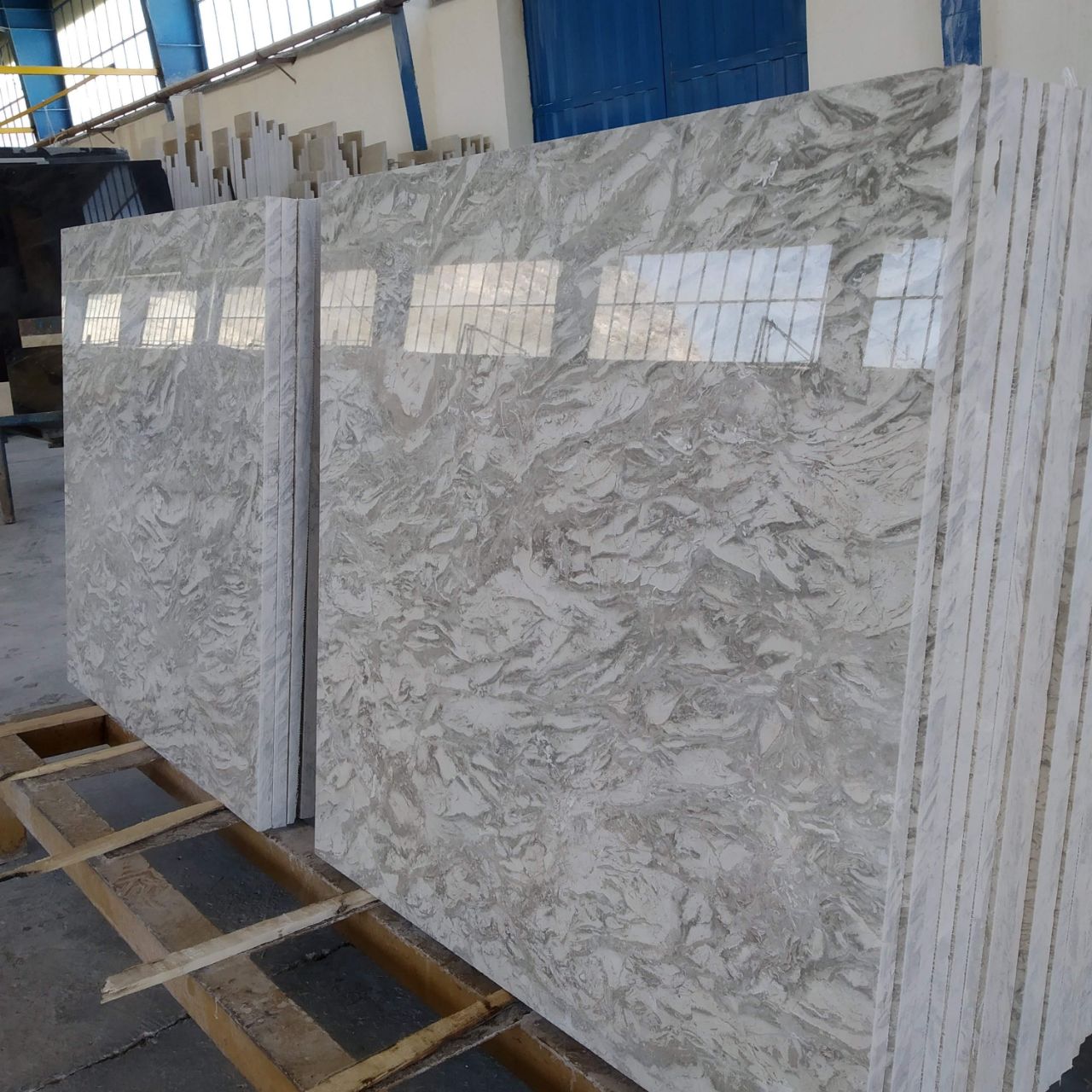
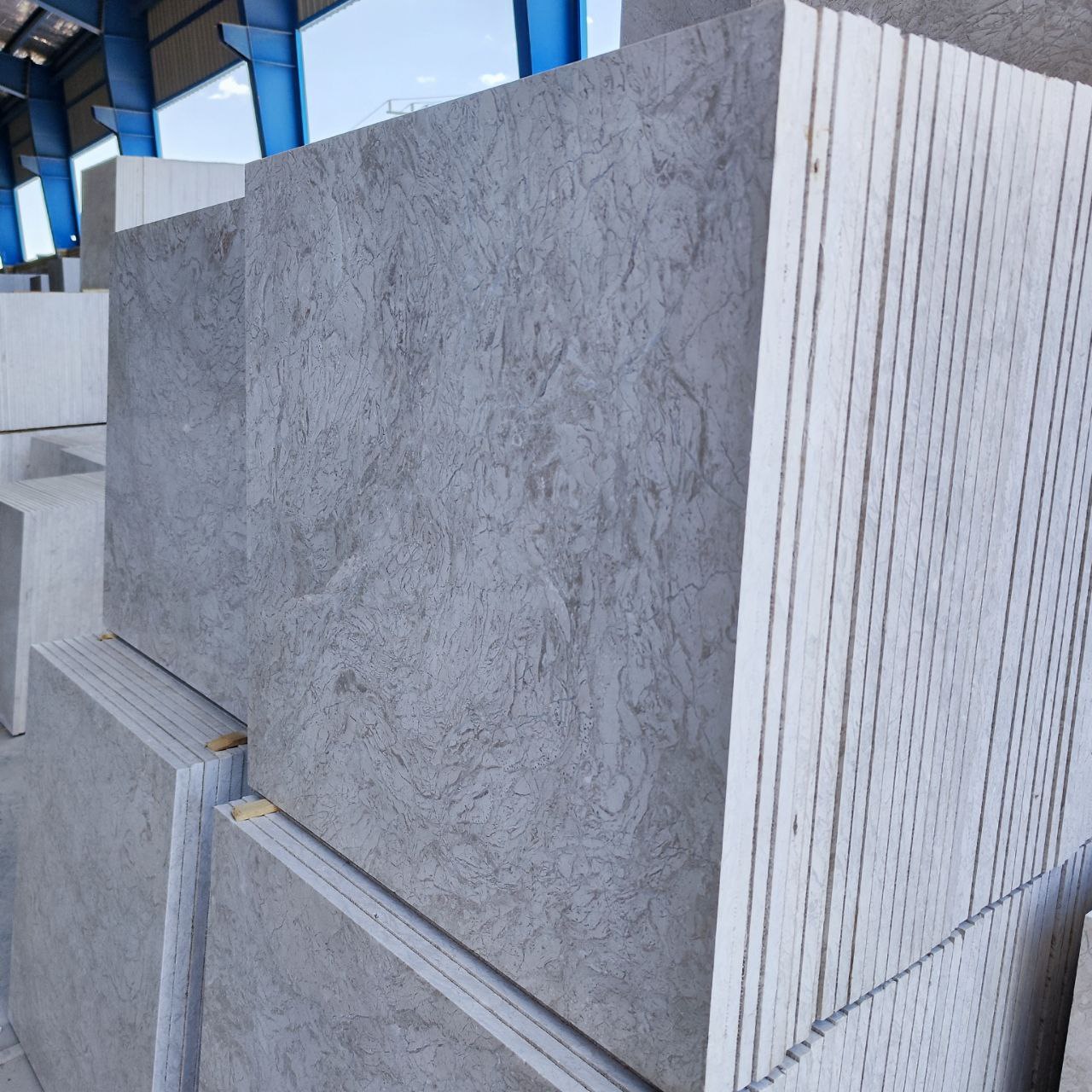
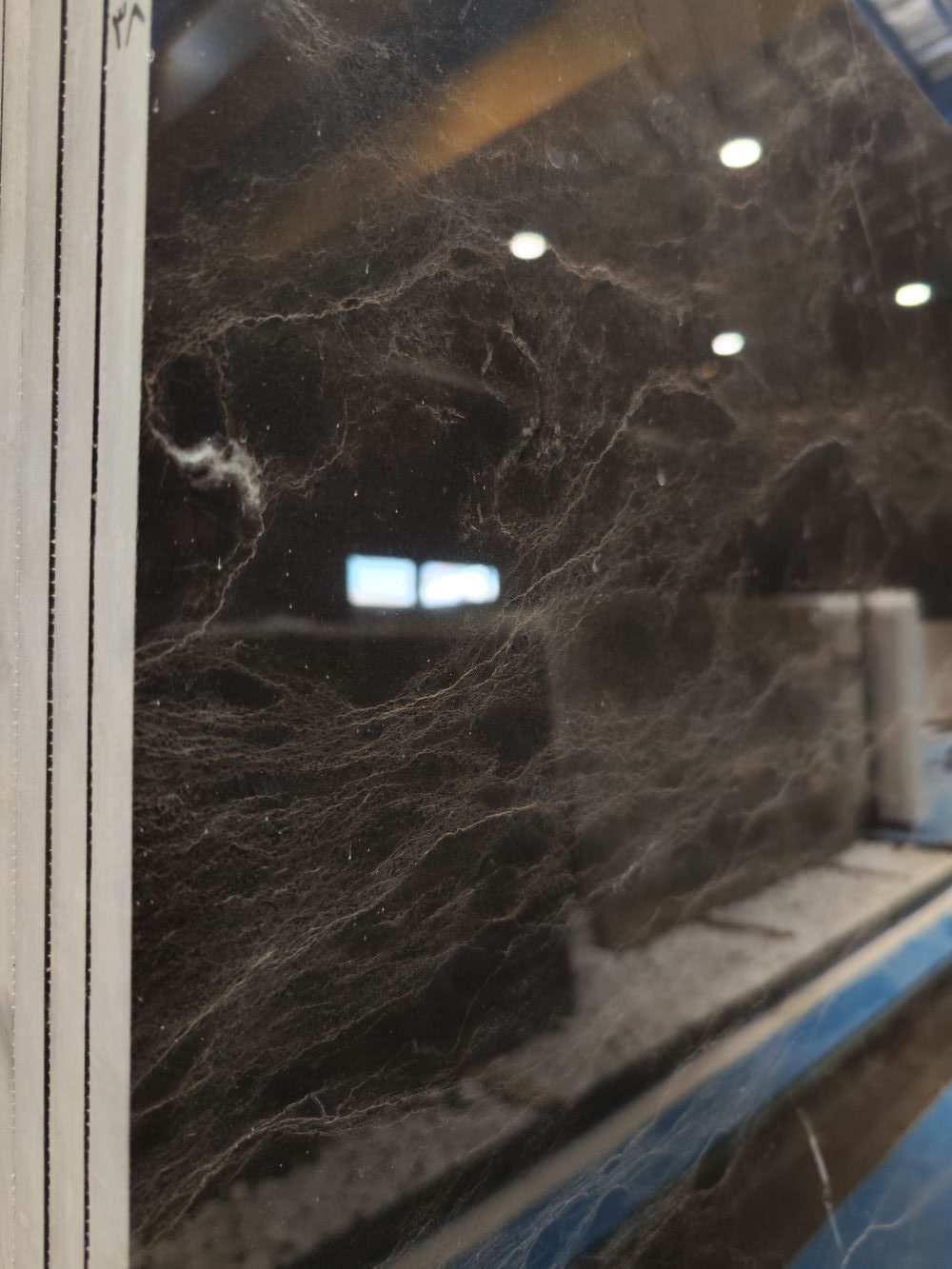
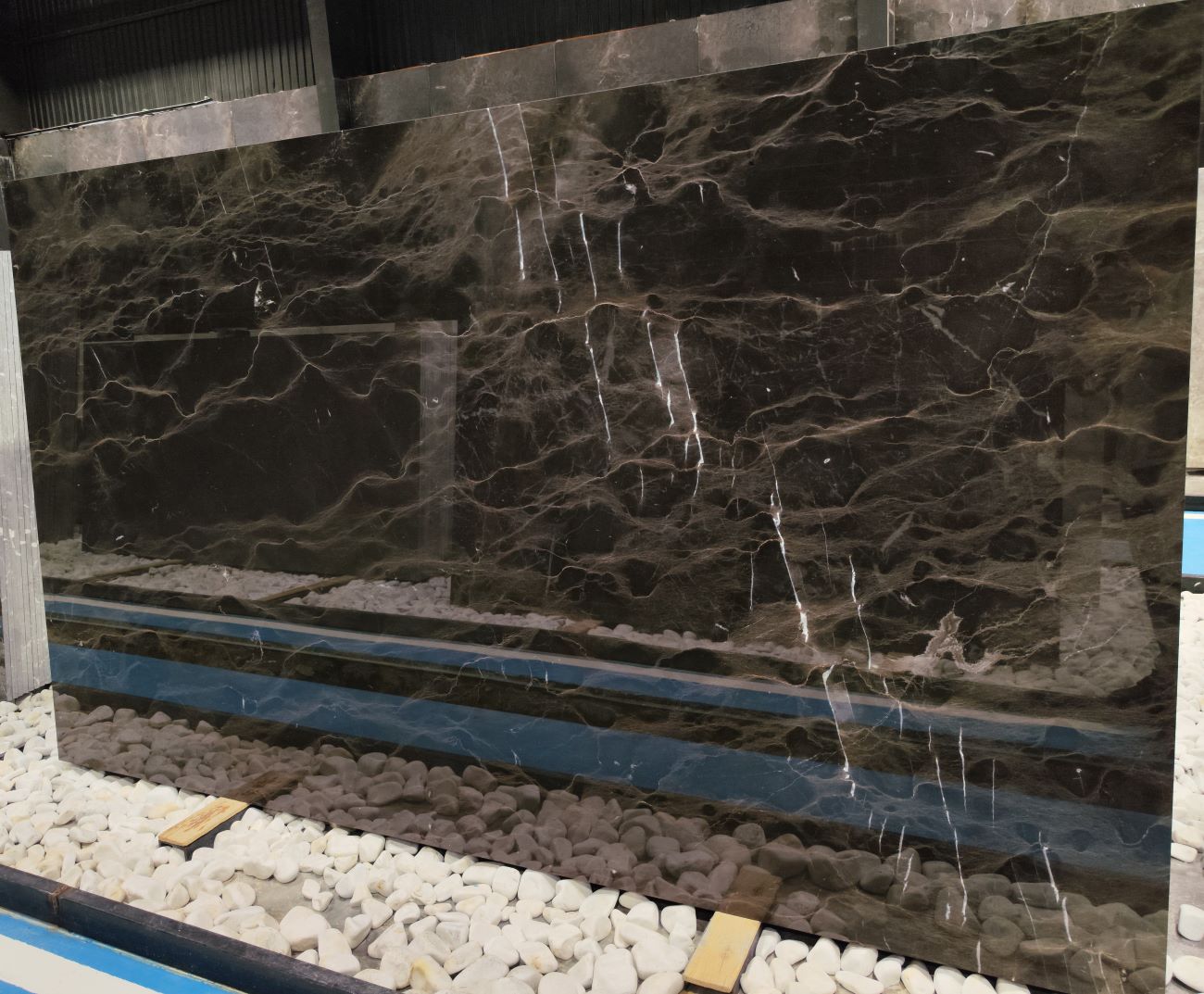
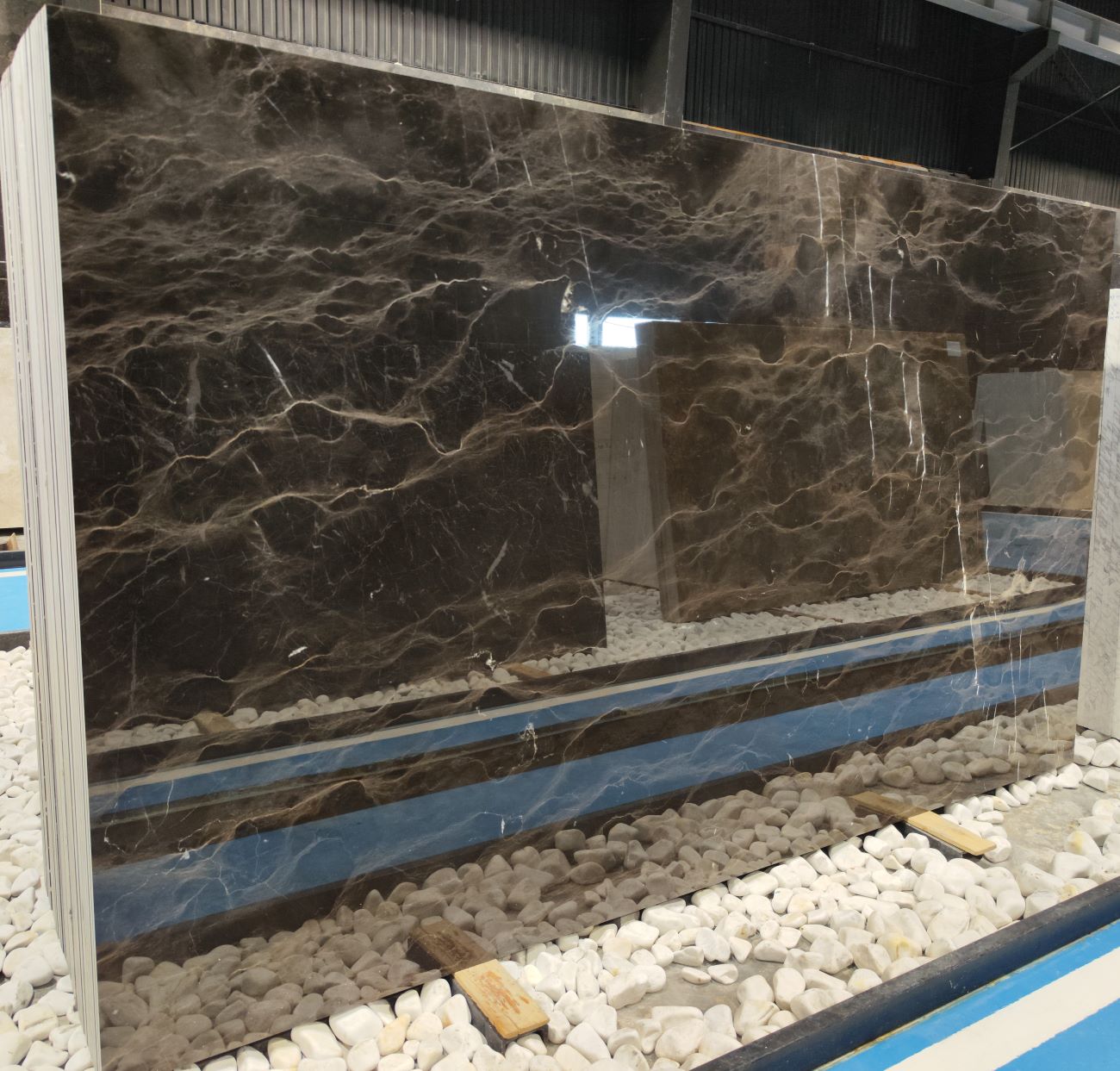
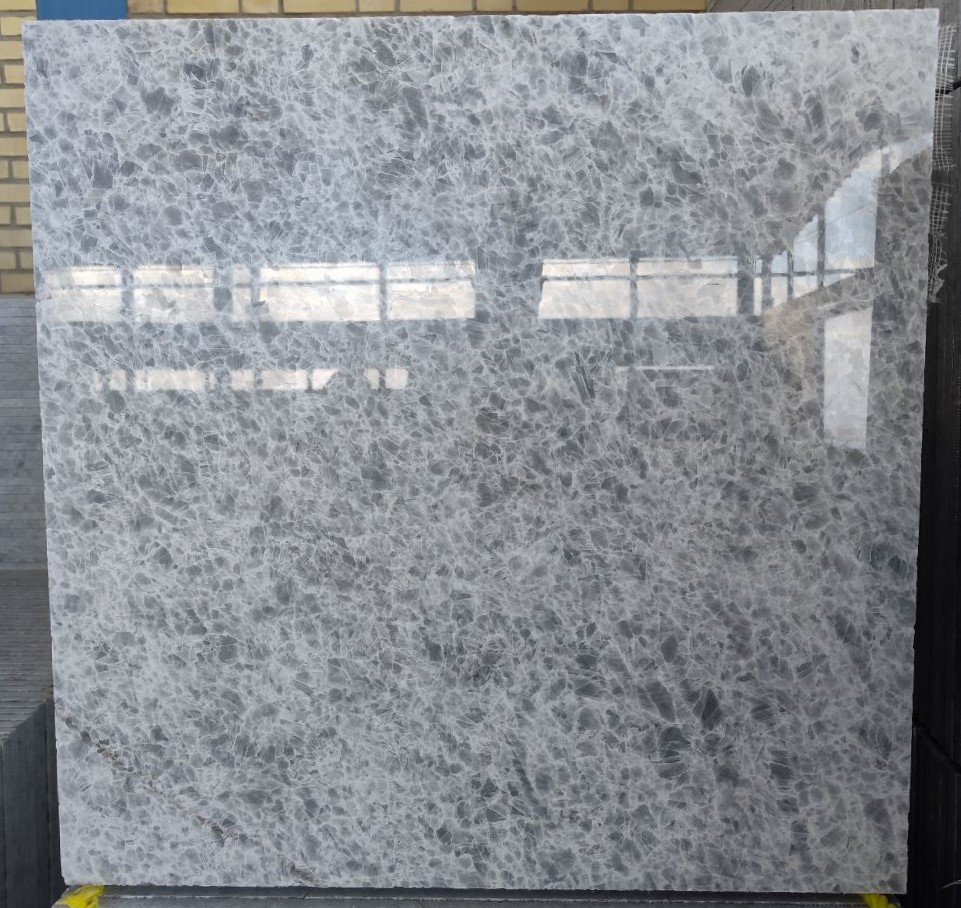
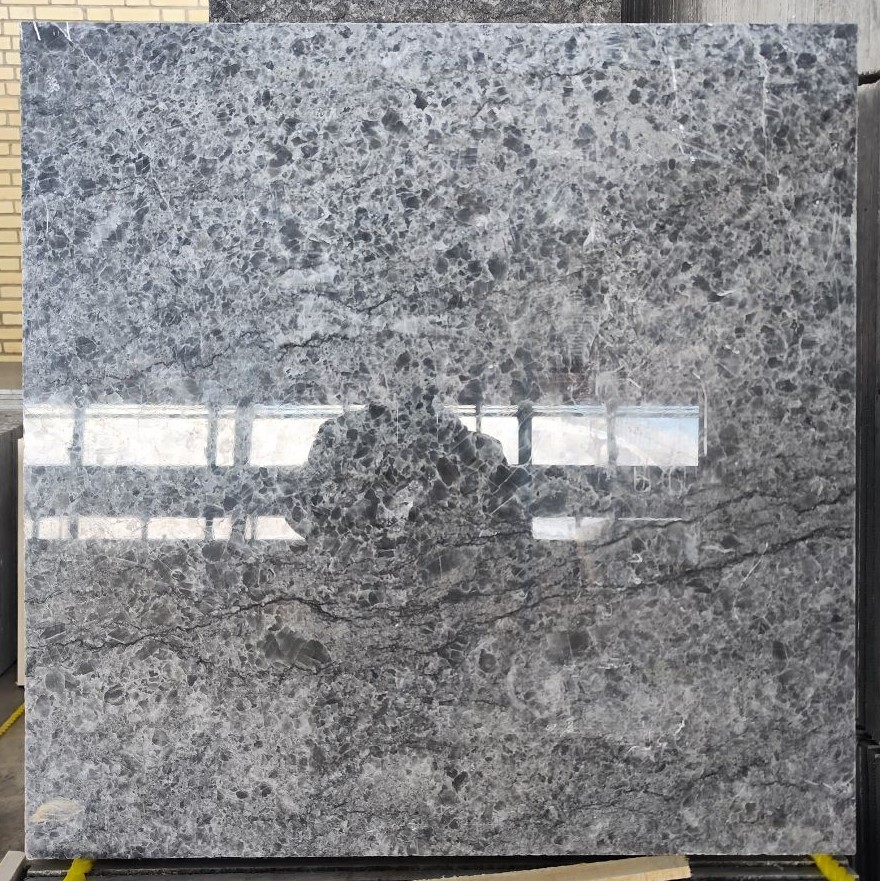
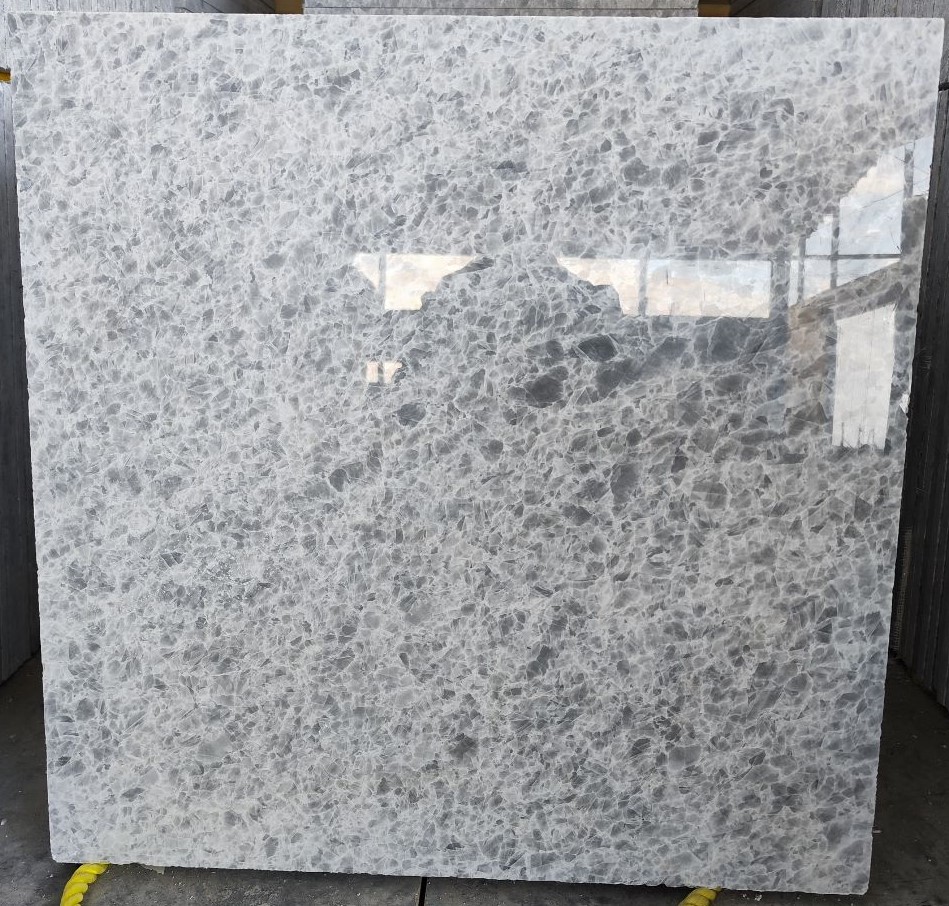
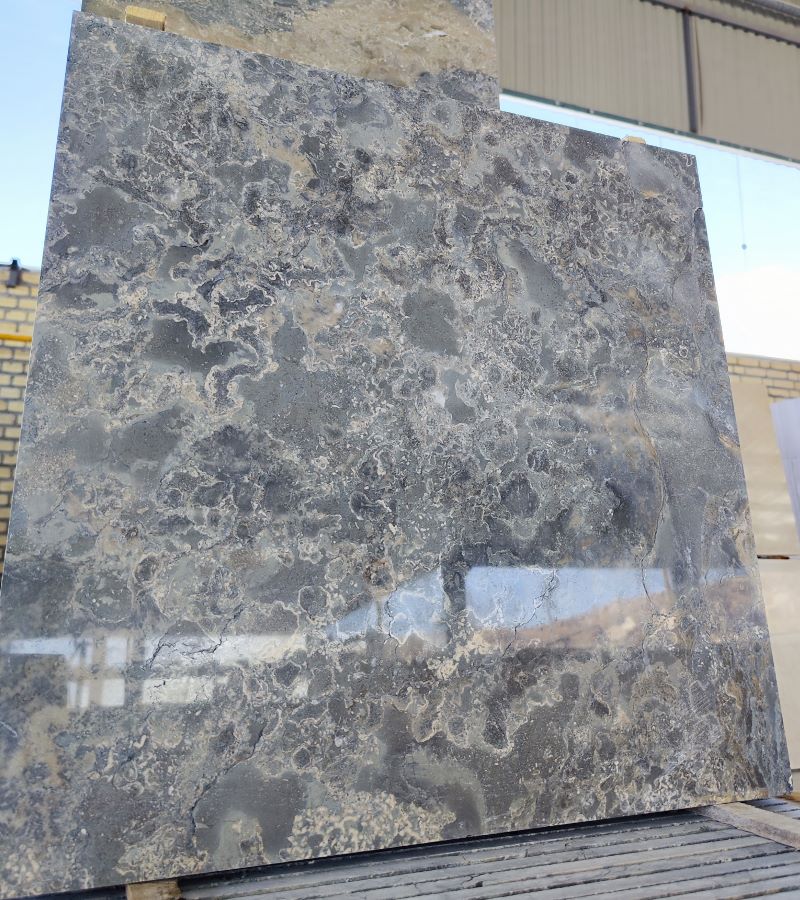
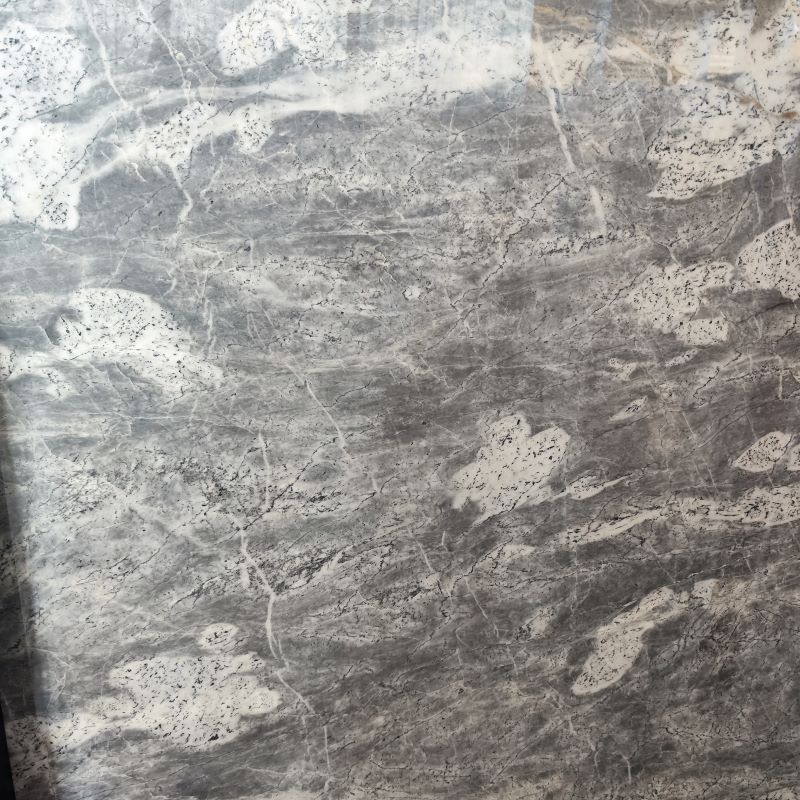
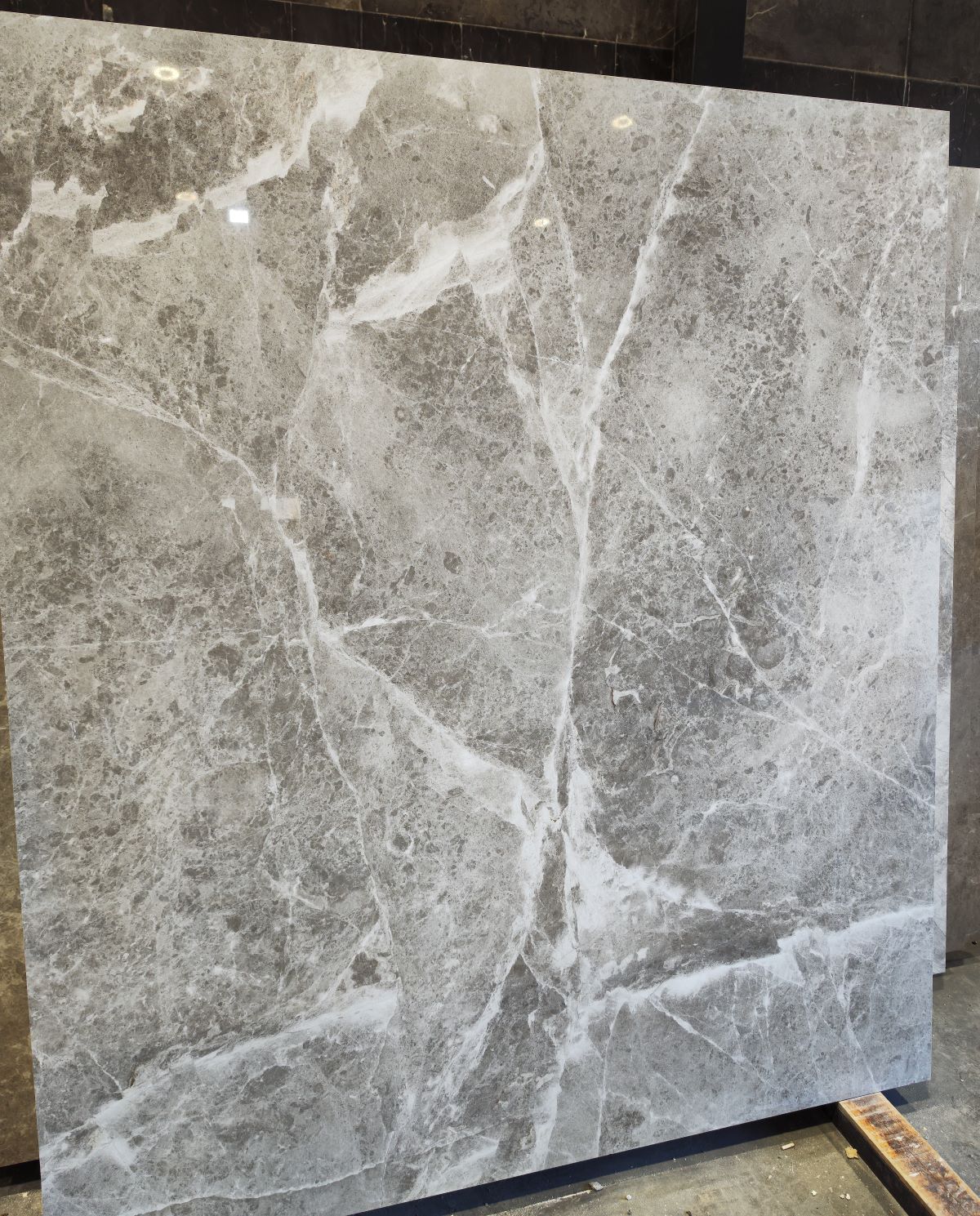
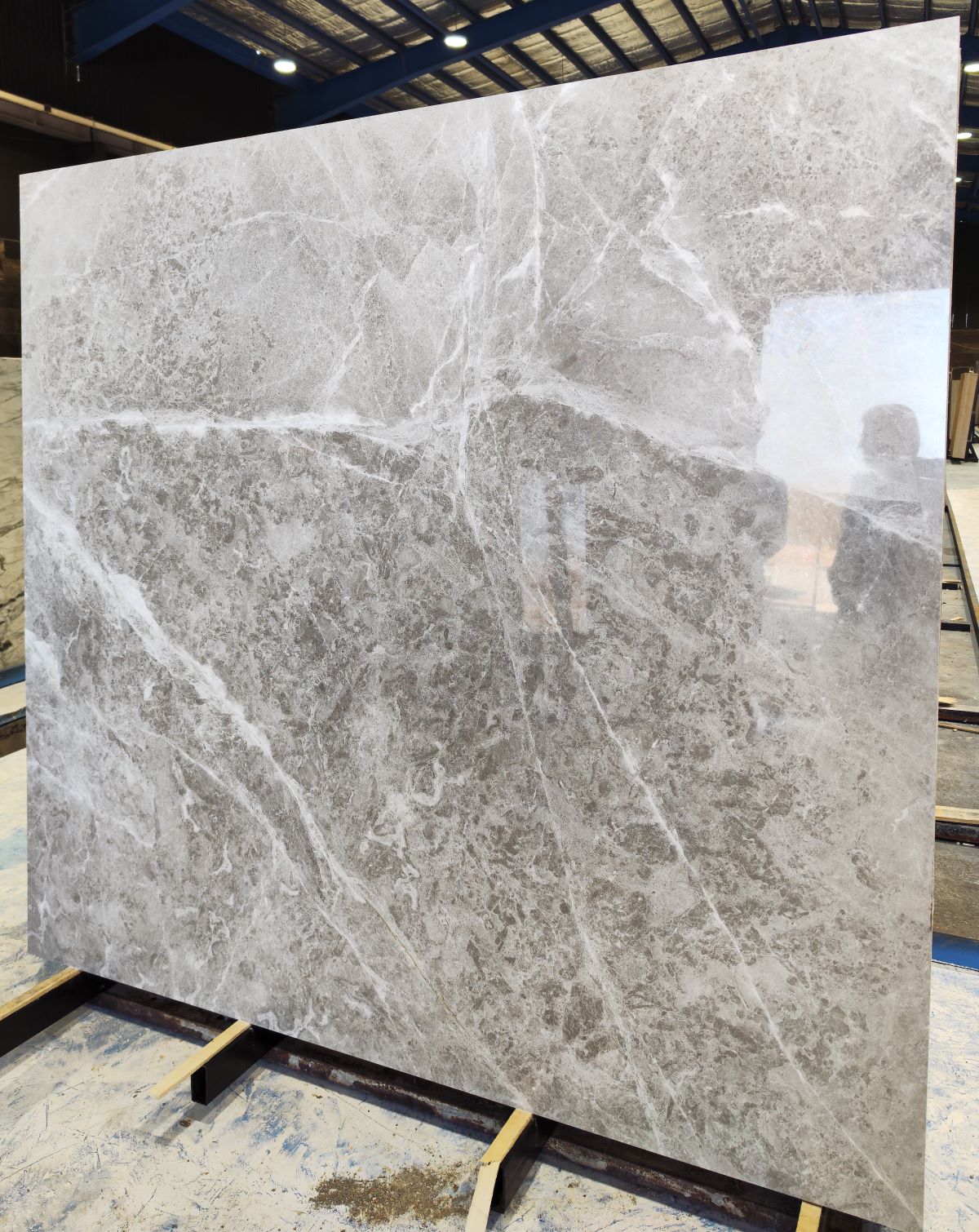
The distinctive patterns and colors of marble are a result of its mineral composition and the geological history of its formation. While the primary mineral in marble is calcite, other minerals such as dolomite can be present, influencing the stone’s color and texture. The colors of marble can range widely, including pure whites, grays, blacks, greens, and even pinks and blues, depending on the impurities found in the original limestone.
Marble exhibits several physical properties that contribute to its popularity as a building material. Its ability to be polished to a high sheen creates a smooth, reflective surface that enhances its aesthetic appeal. However, marble’s relative softness, scoring a 3 on the Mohs scale of mineral hardness, means it is more prone to scratching and etching compared to harder stones like granite. As such, consideration must be given to its use in environments where heavy wear and tear can occur.
Moreover, marble’s natural ability to conduct heat makes it a popular choice for flooring in warmer climates or positions near radiant heating systems. Its resistance to heat also means that it is less likely to warp under high temperatures, further solidifying its application in various construction settings.
Applications of Marble
Architectural Uses
Marble has long been favored in architecture and construction due to its durability and beauty. It is commonly employed for flooring, countertops, staircases, and columns. The aesthetic versatility of marble allows designers to create both classic and contemporary spaces, appealing to a broad spectrum of design philosophies.
In addition to its use in residential environments, marble has been a staple in the construction of public buildings and monuments. Its use in temples, museums, and government buildings reflects a sense of permanence and grandeur. This enduring application speaks to humanity’s desire to create lasting legacies through architecture.
Artistic Expression
Beyond its practical applications, marble is inherently linked with the arts, particularly sculpture. The ancient civilizations of Greece and Rome utilized marble to create stunning works of art that have withstood the test of time. Renowned sculptors like Praxiteles and Bernini carved intricate designs, portraying both human forms and abstract concepts.
The translucence and fine grain of marble enable sculptors to achieve remarkable detail, which, when coupled with a polished finish, can create lifelike representations. Today, artists continue to explore marble as a medium, pushing the boundaries of traditional sculpture and incorporating modern techniques which reflect contemporary themes and messages.
Interior Design
In the realm of interior design, marble is celebrated for its timeless elegance. Designers often incorporate marble into bathrooms, kitchens, and living areas, offering a touch of sophistication and luxury. The various finishes available—polished, honed, or brushed—allow for flexibility in design aesthetics, catering to everything from minimalist spaces to opulent settings.
Additionally, marble is increasingly used in furniture design, with pieces such as tables, countertops, and decorative objects bringing a natural element into modern homes. The integration of marble enhances textural diversity and adds an organic touch to contemporary design schemes.
The Extraction and Finishing Process
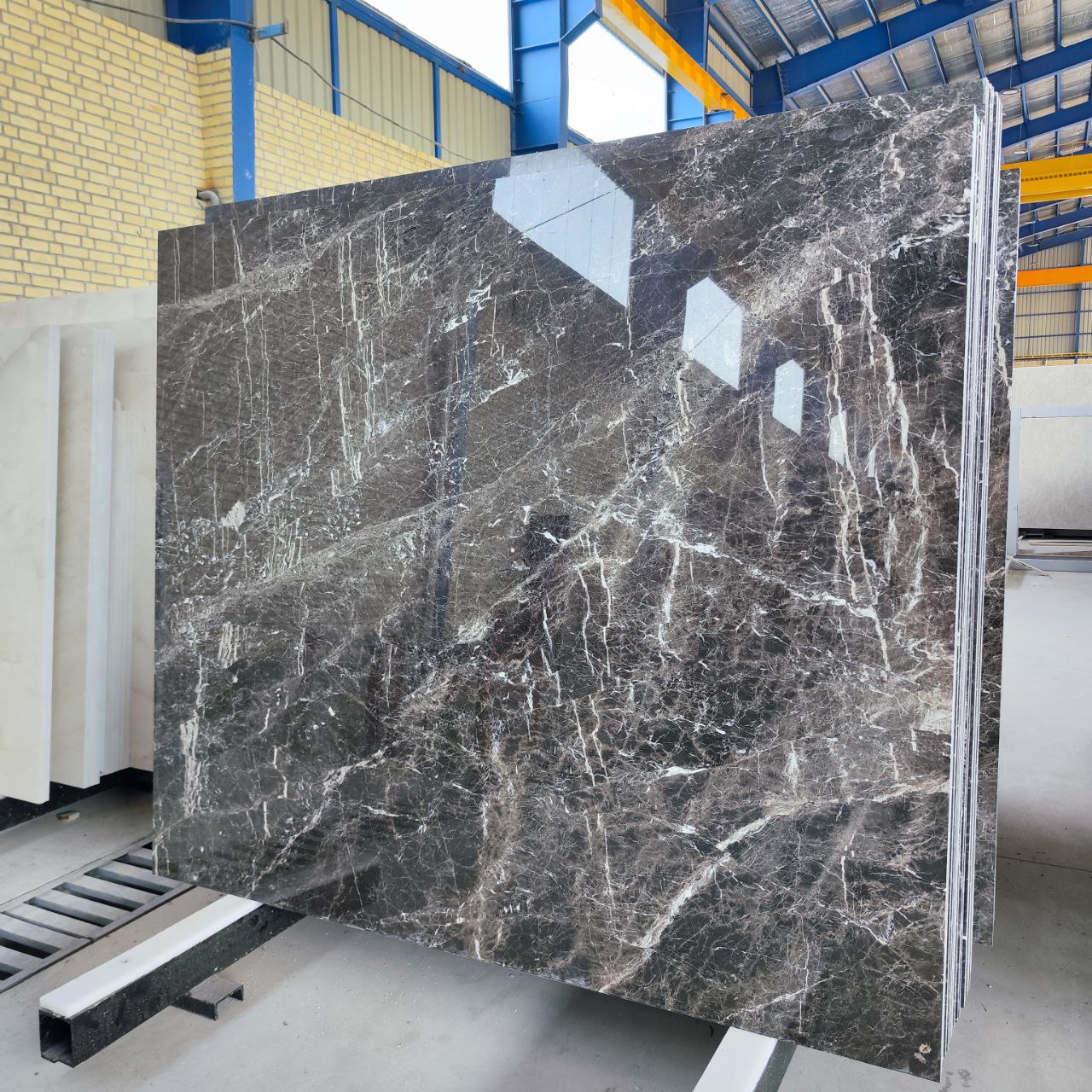
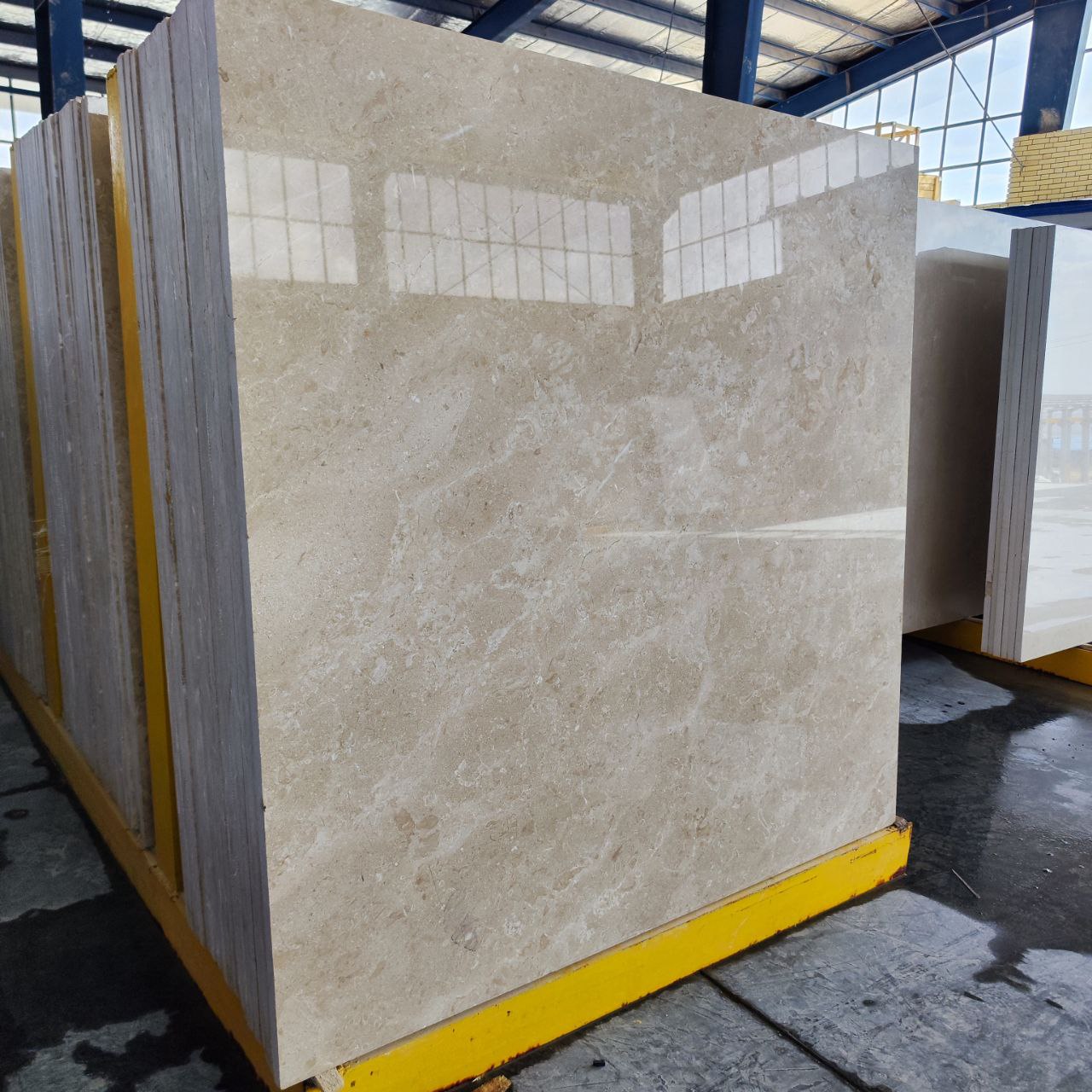
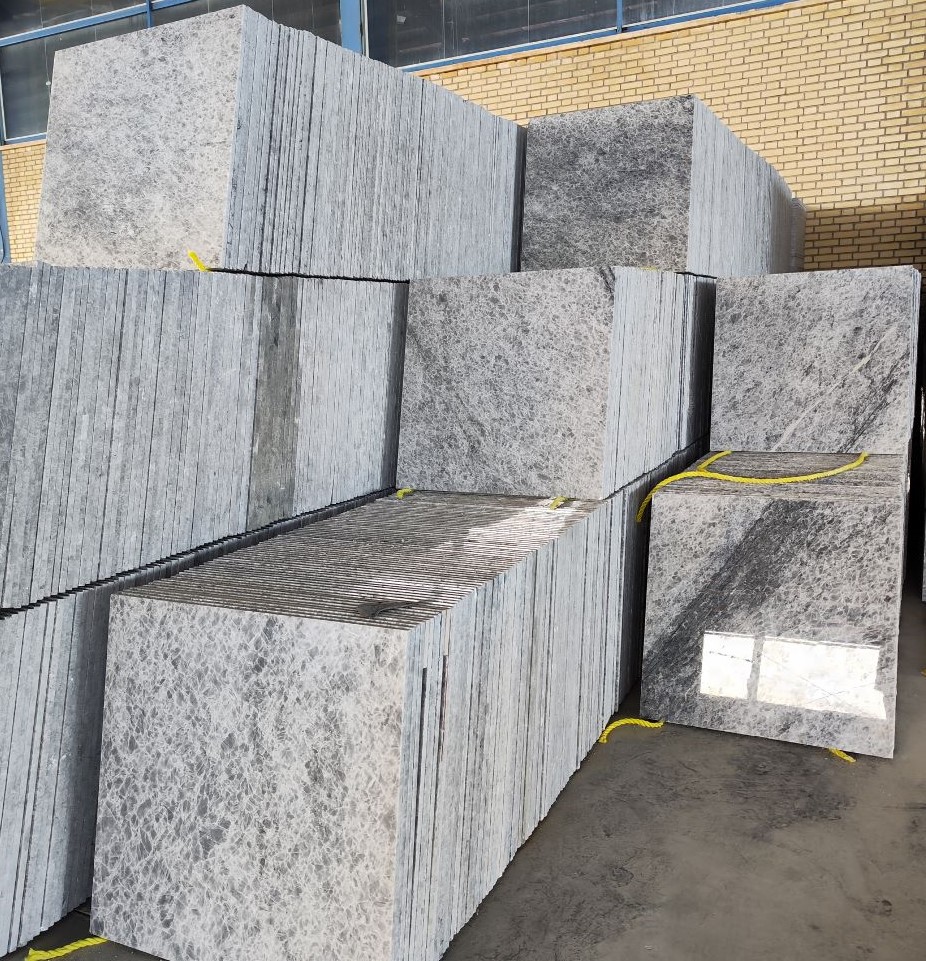
The journey of marble from the quarry to a finished product involves several steps. The extraction usually begins with identifying suitable deposits and assessing the quality of the stone. Once a site is selected, quarrying operations commence, often using diamond wire saws or other specialized machinery to cut large blocks of marble from the earth.
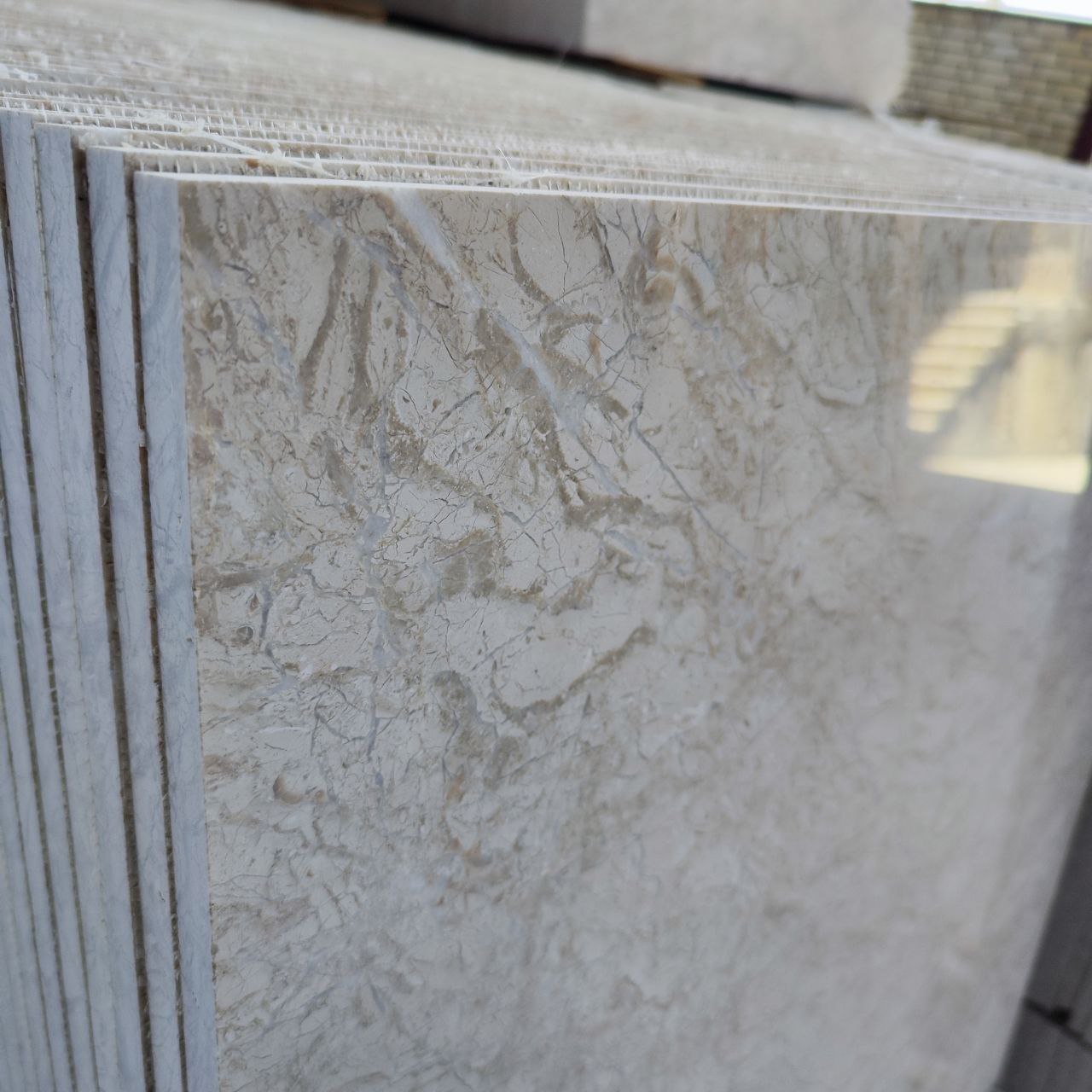
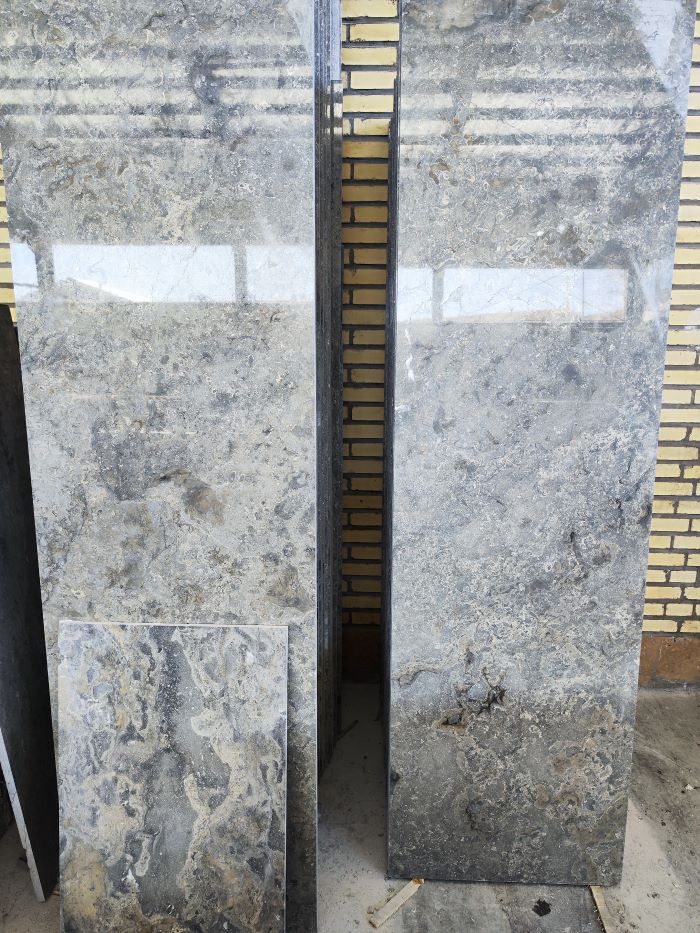
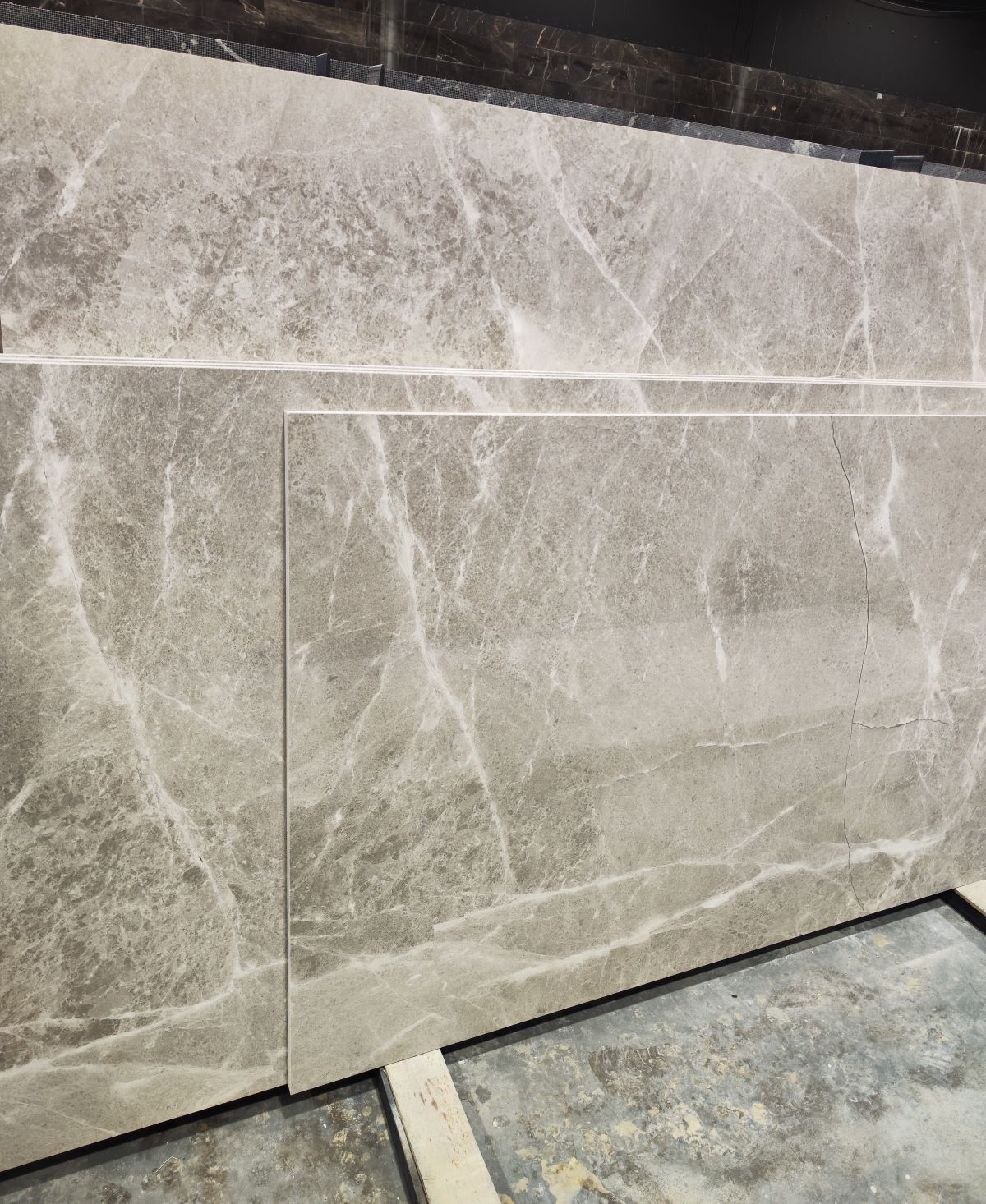
After extraction, blocks of marble undergo a series of processes that include cutting, shaping, and polishing. Diamond tools are commonly used to cut the marble into slabs of varying thicknesses. The finishing process, which determines the final appearance of the marble, involves grinding and polishing to achieve the desired sheen and surface texture.
Sustainability in the marble industry has become an increasingly important topic as environmental concerns grow. Responsible quarrying practices and recycling of marble waste are essential in minimizing the impact on local ecosystems.
Conclusion
Marble is much more than just a beautiful stone; it is a material steeped in history, rich in geological diversity, and versatile in its applications. From the monumental buildings of ancient civilizations to the modern homes of today, marble continues to be cherished for its appeal and functionality.
As we advance into an era that values sustainable practices, the industry’s ability to adapt and innovate in marble extraction and processing will be crucial. Whether through contemporary artistic expression or architectural innovation, marble will undoubtedly remain a key player in both the past and future of design.
In a world where natural materials are increasingly sought after, marble stands as a testament to the beauty and functionality that nature can provide, continually inspiring architects, designers, and artists across generations. Through a deeper understanding of its origins, properties, and applications, we can better appreciate this timeless stone and the myriad possibilities it offers in our built environments.